The Reclining Chair Ask: A Faint-Prone Woman's Script for Shots and Blood Draws
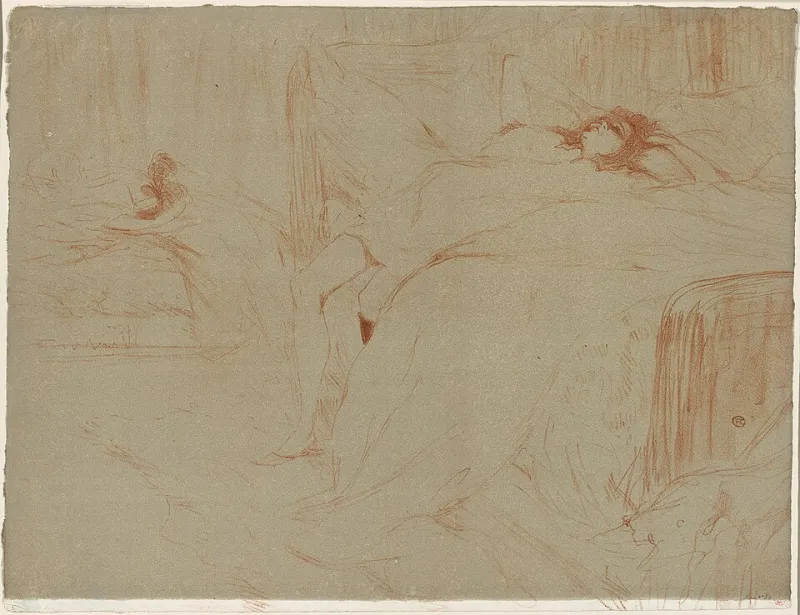
Photo: Henri de Toulouse-Lautrec, Public domain, via Wikimedia Commons
Let's get one thing out of the way: fainting at a blood draw is common. It is not a personality flaw. It is not drama. It is your body doing a fast, inconvenient reset. And it is worth planning for, especially if you have ever slid off a chair in a lab waiting room or felt the room go swimmy while a phlebotomist reached for a second tube.
Here at Bostancı Kadın, we have written about clinic-day logistics before. This one is narrower: the ask you make at check-in when you are the woman who gets lightheaded with needles. The goal is not to give a speech. It is to get a reclining chair, a few minutes of quiet, and a ride home.
The back-room ask is exactly what it sounds like. You are asking to be taken to the back room, the exam room, the quiet space, the reclining chair — wherever the staff can help you lie back before and after the needle. You are not asking for special treatment. You are asking for a basic accommodation that most labs and clinics already have.
The Ask Starts Before the Needle
At check-in, say it plainly: 'I have a history of fainting with blood draws. Is there a reclining chair available? I would also like a few minutes to lie back before and after.'
If you schedule online, put it in the notes. If you can, call the lab or clinic the day before. Ask whether they have a reclining chair and whether there is a quieter time of day. You do not have to explain why. 'I faint with needles' is enough. You do not owe anyone your diagnosis, your worst story, or a calm demeanor.
If the front desk seems confused, ask for the lab supervisor or the nurse in charge. Not because you want to make trouble, but because the person at the desk may not know what equipment is in the back. The back room usually does.
The Short Script
Copy these sentences into your phone or write them on a card. They are short on purpose.
- 'I faint with needles. Could we use a reclining chair or a private room?'
- 'I do better lying down before the draw.'
- 'I need a few minutes after. I have a ride home.'
- 'I would rather not talk through it. I just need to lie back.'
- 'If you do not have a reclining chair, can I lie on an exam table?'
- 'Can we schedule this for a time when the chair is free?'
You can say all of this with a normal voice. You can also say it while shaking. The staff has seen it before. The script is not about being calm. It is about being clear.
Hydrate, Eat, Time It
Drink water in the hours before your appointment, unless your clinician has told you to restrict fluids. Eat a normal meal or snack unless you are fasting for the test. If you are fasting, tell the staff at check-in. Bring a snack for after: crackers and peanut butter, a banana, a granola bar, or a small box of juice.
Skip alcohol before the appointment and go easy on caffeine if it makes you jittery. If you have diabetes, ask your clinician how to time the appointment and your food. If you are pregnant or think you might be, tell the staff before the draw.
Schedule for a time when you can sit afterward. Morning appointments are not magic for everyone. Some women do better after breakfast. Some do better before the day gets complicated. The point is to leave a cushion, not to race to the parking garage.
During the Draw
Turn away. Slow your breath. Wiggle your toes. Ask the phlebotomist or nurse to count down. If you feel hot, nauseated, or far away, say so immediately. 'I need to lie back now' is a complete sentence. Ask for a cold pack on the back of your neck. Do not try to be brave and quiet. Brave and quiet is how people end up on the floor.
If you are getting a shot rather than a blood draw, the same script works. Ask to sit or lie down. Ask for a few minutes afterward. Ask for a private space if the waiting room feels like too much.
The Ride Home
Stay seated or lying down for 10 to 15 minutes after the needle. Sit up slowly. Eat your snack. Drink your water. Do not drive if you feel lightheaded, floaty, or nauseated. If you have fainted after a draw before, bring a driver. If you feel faint after you leave, sit down or lie down and call for help. Do not try to make it to the car on willpower.
A Wallet Card You Can Copy
Write this on an index card and keep it in your wallet or phone case:
Hi, I'm [name]. I have a history of fainting with blood draws and shots. Please use a reclining chair if available. I do better lying down before and after. I have a ride home. Thank you.
Add a second line if you need it: 'I may need a private space and a few minutes of quiet.' That is enough.
If They Say No
Ask for the next best thing. 'Is there another room where I can lie down?' 'Can we schedule a time when the reclining chair is free?' 'Can I speak with the supervisor?' 'Can I reschedule?' You can also bring a friend or family member to advocate for you. Two calm voices are sometimes better than one shaky one.
You are not asking for a spa day. You are asking for a basic accommodation so that a routine blood draw does not become an emergency. That is a reasonable ask, and it is okay to make it.