The Appointment Keeper: The Unpaid Work That Keeps a Household Healthy
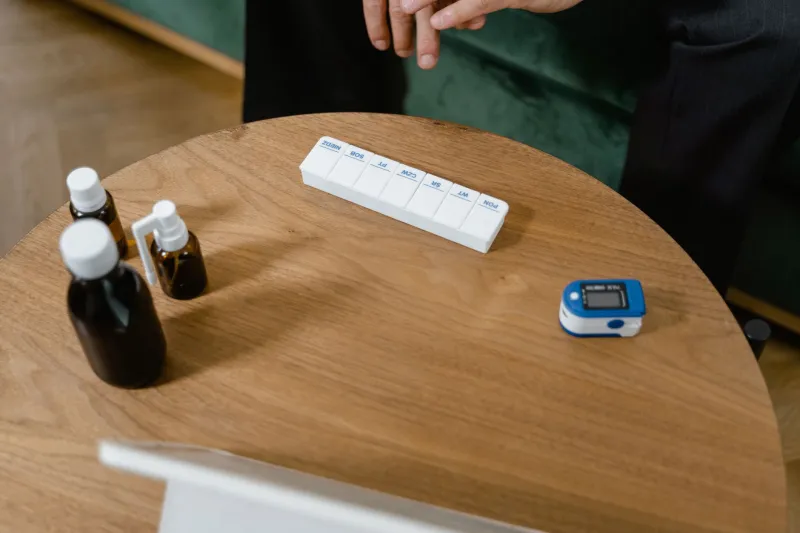
There is a job in a lot of households that never shows up on a resume. It has no title, no lunch break, and no performance review. It is the work of keeping everyone's health on track: calling the pharmacy when a refill is late, booking the annual exam, remembering that the school physical form is due Friday, and being the one who notices that Dad has been coughing since last week.
At Bostancı Kadın, we talk a lot about everyday wellness. But wellness does not happen by itself. Somebody has to hold the calendar, the insurance cards, the pharmacy login, and the mental list of who needs what. Usually, that somebody is a woman.
I called four women around the neighborhood to ask how the health-manager role landed on them. Their answers were different in the details and almost identical in the shape. The work is real. It is skilled. And most of it is unpaid.
The work nobody clocks
Renee, 44, is a pediatric nurse and a mom of two. She called the health calendar 'the second shift after the second shift.' On a typical week she is checking whether her daughter's inhaler refill went through, scheduling her own mammogram, and reminding her husband that his annual physical is not going to book itself.
Tasha, 38, works full-time at a university and helps care for her mother. She keeps a running note on her phone with medication names, pharmacy phone numbers, and appointment dates. 'It is not just the appointment,' she said. 'It is the twenty minutes before the appointment, the paperwork after, and the follow-up call that nobody else remembers to make.'
Elena, 51, is the oldest daughter in her family. When her father started seeing three different specialists, she became the person who tracked the referrals, the lab results, and the medication changes. 'Everyone says, just tell me what to do,' she said. 'But somebody has to figure out what to do first.'
Brittany, 33, has a toddler and a partner who travels for work. She said the role found her because she was home more. Then it stayed because she was 'better at remembering.' That phrase came up again and again in our conversations.
How the role lands on one person
Almost everyone I talked to said the same thing: it did not start as a decision. It started as a favor, a habit, a 'you are better at this than I am.' The default parent takes it. The oldest daughter takes it. The organized friend takes it. The person with the flexible job takes it.
Then the role grows. A refill becomes a prior authorization. A school form becomes a sports physical. A routine checkup becomes a specialist referral. Before long, one person is carrying the schedule, the insurance puzzle, and the emotional weather of the whole household.
The hidden cost
Time is the obvious cost. But there is also the low hum of vigilance. Did the insurance claim go through? Is the pharmacy out of stock? Did the school nurse call? Is the cough getting worse? That kind of noticing is hard to clock because it happens in the cracks of the day.
The women I spoke with described missing their own appointments, putting off their own screenings, and feeling resentful in a way that was hard to name. 'I am not mad about the tasks,' Tasha said. 'I am mad that I am the only one who sees the tasks.'
A ten-minute handoff that actually helps
One of the most practical fixes is a short weekly handoff. Pick a time, set a timer, and keep it boring. The goal is not a deep conversation about fairness. The goal is to move the work from one person's head into a shared system.
Start with a shared calendar. Put every health item in it: appointments, refills, school forms, insurance deadlines, and the name of who is driving. Then name an owner for each task. Not a helper. An owner.
Here are a few scripts that can make the handoff easier:
- 'Can we do a ten-minute health check-in on Sunday? I will read the list, and we will decide who owns what.'
- 'I am going to stop being the backup for the pharmacy. Can you set a reminder for your own refills and add them to the shared calendar?'
- 'This week I need you to own the school forms. That means printing, signing, and sending them back.'
- 'I am not asking you to help me with my list. I am asking you to carry your half of the household list.'
The point is not to keep score. It is to make the invisible visible. A ten-minute handoff will not fix everything, but it can interrupt the habit of one person doing all the remembering.
The written list that ends the guessing
Write it down. A shared note on a phone is fine. A paper list on the fridge is fine. What matters is that the list is specific and that it names a person, not a vague 'we.'
Try a simple table with three columns: task, default owner, and backup. Include the pharmacy, appointments, insurance and billing, school and work forms, sick-day coverage, and care for aging relatives. Review it once a month. Not because the list is sacred, but because the work changes.
Renee said the list was the first thing that made her feel less alone. 'It was not magic,' she said. 'It was just finally written down.'
The health calendar is a job. It deserves to be seen, shared, and paid in something better than resentment. Start with one ten-minute conversation this week. Bring a pen. Bring the list. And bring the person who has been carrying it.