Seven Places That Know Your Name: A Practical Neighborhood Health Map
The most useful health resource in your life may not be an app. It might be the pharmacist who remembers your name, the library clerk who knows where the free blood-pressure clinic is, or the parks department staffer who can tell you which trail is stroller-friendly and which class has childcare. A neighborhood health map is simply a written record of those people and places, kept where you can find it on a bad day.
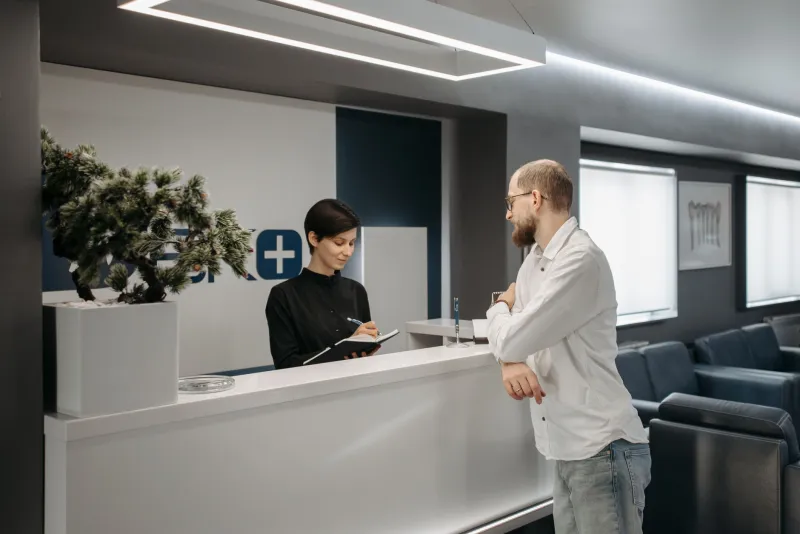
At Bostancı Kadın, we like the idea of a health neighborhood that feels less like a spreadsheet and more like a block party guest list. The goal is not to optimize your life. It is to shorten the distance between a question and a human answer. Here are seven local places worth mapping, plus how to vet each one and what to ask.
1. The pharmacist
Pharmacists are often the most accessible health professionals in a neighborhood. They can answer questions about medication interactions, vaccine timing, blood pressure checks, and affordable alternatives. Vetting matters: look for a quiet consultation area, ask whether they keep notes you can reference, and find out how they handle insurance surprises. Helpful questions include: Do you offer private consultations? Can you flag a cheaper generic option? If something looks off, will you call my doctor or tell me to go in?
2. The public library
Libraries are not just books. Many offer internet access, printing, community rooms, health information sessions, and referrals to social workers or navigators. Ask whether they host health screenings, have private rooms for calls, or keep a list of local clinics. A good library is a low-pressure place to research a symptom or print an insurance form without buying anything. Vet by checking program calendars and asking who runs the sessions. If a health talk is sponsored by a company, that is not automatically bad, but you deserve to know.
3. Parks and recreation
Parks departments run more than sports leagues. They may offer low-cost movement classes, accessible trails, women-only swim times, and sliding-scale fees. Ask about scholarships, childcare, indoor options, and whether instructors are trained to work with beginners or people with mobility limits. The best fit is the class you will actually attend, not the one that sounds impressive on paper. Call once and ask: What is the real beginner vibe? Is there parking? Are changing rooms private?
4. The community center
Community centers often host support groups, food resources, English classes, and seasonal health fairs. They can be especially useful for women who need connection without a clinical setting. Vet the group by asking who facilitates it, whether it is peer-led or clinician-led, and what confidentiality looks like. You do not need to share your whole story at the first meeting. It is fine to sit, listen, and decide later.
5. The county health office
The county health department is a practical place to check for vaccines, screenings, maternal health programs, WIC information, and insurance navigators. Websites can be confusing, so call if you can. Ask about sliding-scale fees, walk-in hours, language access, and what to bring. If you are between jobs or insurance plans, this is often the place that knows the next right phone number.
6. A mutual-aid group
Mutual-aid groups are hyperlocal and often focused on real needs: rides to appointments, meals after surgery, childcare during a health crisis, or help navigating paperwork. They are not a replacement for medical care or emergency services. Vet them by asking who coordinates requests, how privacy is handled, and what boundaries keep the group sustainable. A good group will be clear about what it can and cannot do.
7. A trusted urgent-care clinic
Urgent care is for the middle ground: not a true emergency, but not something to ignore until next month. Before you need it, check which locations take your insurance, whether they have X-ray services, how they share records with your primary doctor, and what their evening hours look like. Ask whether they offer women’s health services or referrals. A clinic that explains its limits is often more trustworthy than one that promises everything.
Build a one-page tracker
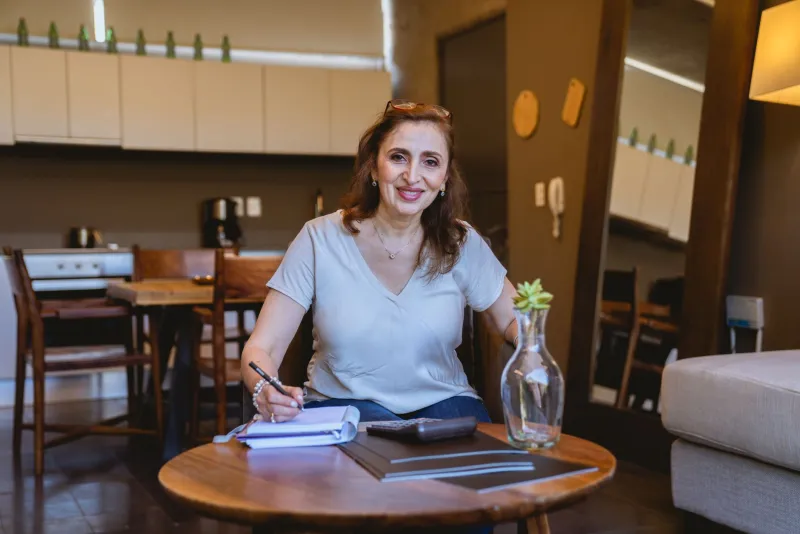
Keep it simple. On paper or in a notes app, make five columns: place, what I would ask, hours and access, notes, and last checked. Fill in one row a week. That is it. You are not building a database. You are building a short list of humans and hours that can help.
Start with the place you already use. Add the library and pharmacy next. Leave the rest blank until you need them. Review the page every few months, especially when insurance changes or a new season starts. A health neighborhood is not a badge of preparedness. It is a small kindness you leave for your future self.