A Shelf That Works With You: Stocking a Pantry for Busy, Real-Life Weeks
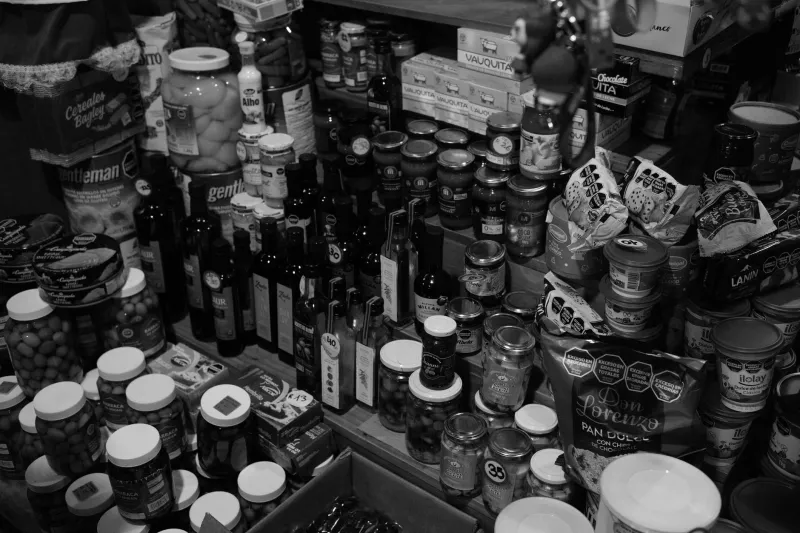
Most pantry advice starts with a fantasy: a spotless shelf, a color-coded system, and a person with unlimited time. Real life is more like Tuesday at 6:40 p.m., with one person asking what’s for dinner and another asking where the good scissors went. A pantry that cares for you doesn’t need to look like a wellness brand’s mood board. It needs to make a few good choices easier.
At Bostancı Kadın, we think about everyday health as something you build into ordinary routines—not something you buy in a supplement aisle. For most women, that means a kitchen stocked with flexible basics, a budget that can bend, and a shared household where not everyone eats the same way.
Start With What You Actually Eat
The best pantry item is the one you’ll use before it goes stale. Before adding anything new, look at a normal week. Do you make oatmeal? Bean soups? Pasta with whatever’s in the fridge? Rice bowls? Toast for dinner? Write down five meals you repeat when you’re tired. Then stock for those meals, not for an imaginary version of yourself who cold-presses juice every morning.
This is not a failure of ambition. It’s good planning. A can of chickpeas that becomes a salad, a soup, or a tray of roasted vegetables is more useful than a jar of something trendy you’re afraid to open.
Budget-Friendly Anchors
A practical pantry has anchors: cheap, shelf-stable foods that can carry a meal. Think canned beans and lentils, tomatoes, tuna or sardines, rice, pasta, oats, cornmeal, potatoes, onions, garlic, and frozen vegetables. These are not glamorous, but they are reliable. They also fit a US grocery budget better than many “health” products that promise more than they deliver.
Keep a few flavor builders on hand: olive oil, vinegar, salt, pepper, cumin, paprika, chili flakes, soy sauce, tahini, mustard, and a jar of something briny, like olives or pickles. These are the small things that make a plain ingredient taste like dinner.
Protein doesn’t have to mean a powder. Eggs, yogurt, cottage cheese, canned fish, beans, lentils, tofu, and chicken or ground meat in the freezer can all do the job. If you eat meat, buy it when it’s on sale and freeze it in portions you’ll actually cook. If you don’t, lean on beans, lentils, eggs, dairy, and tofu.
Mediterranean-Inspired, Not Mediterranean-Performed
The Mediterranean pattern—vegetables, beans, whole grains, olive oil, fish, nuts, herbs, and shared meals—has a lot of evidence behind it. But you don’t need to turn your kitchen into a cooking show. A Mediterranean-inspired pantry can be simple: jarred tomatoes, canned beans, olive oil, oregano, lemons, frozen spinach, canned sardines, and a bag of rice.
You can build a meal from that: warm beans with garlic and olive oil, rice with spinach and lemon, sardines on toast, yogurt with cucumber and herbs. None of it requires a supplement, a cleanse, or a subscription box. It just requires a few things on the shelf and ten minutes of willingness.
Small Habits That Save the Week
A caring pantry is also a set of habits. When you open the last jar of something, put it on a running list. When you cook rice, make extra. When you roast vegetables, do two trays. When you make soup, freeze two portions. These are not productivity hacks so much as kindness to your future self.
Keep a “use it up” shelf or bin—open boxes, half bags, the last bit of pasta. Once a week, make a meal from that bin before shopping. This reduces waste and takes pressure off the question “what’s for dinner?” It also helps in shared households, where food can disappear and reappear in mysterious ways.
A Pantry That Shares Space
If you live with a partner, roommates, or kids, a pantry has to be a small democracy. Label shelves if that helps. Keep a clear “anyone can eat this” zone and a “please ask” zone. Make sure there are easy snacks that don’t require cooking: fruit, nuts, yogurt, crackers, cheese, cut vegetables. And remember that not everyone will want the same things. A supportive kitchen isn’t a perfectly curated one; it’s one where people can find something to eat without a fight.
The Shelf That Cares Back
A pantry isn’t a medical treatment. It won’t fix a health condition, replace a doctor’s advice, or make a stressful week disappear. But it can make the healthy choice a little less complicated. It can turn a can of beans into lunch, a bag of oats into breakfast, and a few frozen vegetables into dinner. That is care in a very ordinary form: food on the shelf, ready when you are.