The Black Marker Method: A Neighborhood Night for Making Sense of Insurance Mail

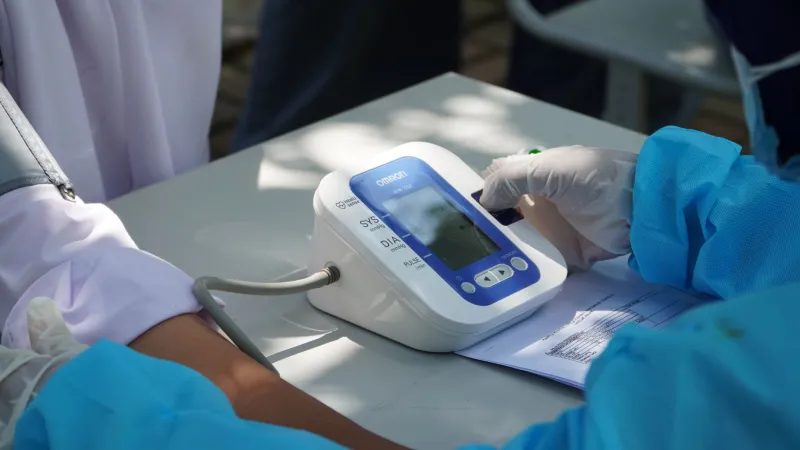
Photo by Photo by Vitaly Gariev on Unsplash on Unsplash
Insurance mail has a special talent for arriving on a good day and making it feel like homework. An explanation of benefits shows up with three dollar amounts and no clear instruction. A prior-authorization letter says 'additional information required' and leaves it there. A bill lists a service date you barely remember. Most of us put the envelope in a pile and promise to deal with it later.
The second pair of eyes night is a small, practical answer to that pile. It is not a seminar, a support group, or a place to get medical advice. It is a low-pressure gathering of neighbors—four to six is plenty—where everyone brings one confusing piece of insurance paper, blacks out the private details, and helps the next person figure out what the letter is actually asking. The goal is modest: leave with one next step, not a solved lifetime of claims.
Start With a Kitchen Table, Not a Conference Room
Pick a space that feels ordinary: a library study room, a community center corner, an apartment lounge, or someone's kitchen. A weeknight in 2026, 90 minutes, 6:30 to 8. Keep the invite plain: 'Bring one insurance letter you do not understand. We will redact the personal stuff and help each other find the next step. No selling, no medical advice, no paperwork left behind.'
Small is the point. With six people, everyone gets a real turn. With sixteen, it becomes a lecture, and the people who most need help go quiet.
What the Night Is Not
Set expectations before anyone opens an envelope. This is not medical advice, legal advice, or bill negotiation. It is not a place to hand over documents for someone else to keep. It is not a complaint session without an action, though a short vent is allowed.
Think of it as a reading group where the text happens to be an explanation of benefits. The group reads for clarity, spots mismatches, and helps each other draft questions. The person who owns the letter makes every decision.
The Privacy Setup Comes First
Before the first envelope is opened, say the rules out loud. Use black markers, not highlighters. Redact names, member IDs, addresses, dates of birth, claim numbers, phone numbers, email addresses, and any provider names you do not want shared. Keep the parts that matter for the question: plan name if you are comfortable, service category, dates of service, amounts, denial or request codes, and deadlines.
Copy the letter and redact the copy if you want to keep the original intact. No photos. No scanning to a group chat. No one collects documents at the end. If a neighbor wants help making a call, they keep the phone and the file. The group can listen and rehearse, but the owner stays in charge.
What to Bring and What to Leave at Home
Bring one or two letters, not the whole shoebox. Good candidates include an explanation of benefits that does not match the bill, a prior-authorization denial, a request for more information, or a bill with an unfamiliar service date. Bring a pen and a short list of questions.
Leave at home anything you would not want a room of neighbors to glimpse, including full medical records and anything with a Social Security number. If the letter includes a deadline, bring that page too. The deadline is often the most important sentence in the envelope.
A Simple Worksheet for Every Envelope
Give each person a sticky note with six prompts: Who sent it? What date is on it? What service or request is it about? What is the amount, if any? What is the deadline? What is the one question I need answered?
Do not try to reconcile every number. Look for the mismatch: the date, the provider, the amount, the denial reason. A bill that says 'patient responsibility' while the explanation of benefits says 'not covered' is worth a call. A request for information that was already sent is worth a call. A service date that belongs to someone else is worth a call.
The Twelve-Minute Table Round
Give each person 12 minutes. Three minutes to describe the paper without sharing private details. Five minutes for the group to ask clarifying questions and point out anything that looks off. Three minutes to write one next step. One minute to say it out loud.
Keep a timer. The timer is not rude; it is what keeps one complicated letter from swallowing the night.
Build a Call Script in Plain Language
Many letters end in a phone call. Draft a script together on a shared whiteboard or a piece of scrap paper. A workable script has four parts:
- Identify the paper: 'I am calling about a letter dated [date] for a claim or reference number [number].'
- Say what you need: 'I want to confirm what this letter is asking me to do.'
- Ask for the deadline: 'What is the deadline for my response, and what happens if I miss it?'
- Ask for written confirmation: 'Can you send me a summary of this call or a link to the notice?'
Then practice once, out loud, for 60 seconds. It feels awkward. That is fine. Awkward practice is cheaper than a confused phone call.
The One-Next-Step Rule
The night works because it does not try to finish the paperwork. Each person leaves with one action written on a sticky note: call the plan, request an itemized bill, ask the provider's billing office to resubmit, send the missing page, set a calendar reminder for the appeal deadline, or ask HR for the plan document. Put the sticky note on the envelope. Put the envelope where you will see it. That is the whole system.
A Small Ritual for the End
Close with five minutes of cleanup. Shred or take home every redacted copy. Return the markers. Say the next step out loud one more time. If the group wants to meet again, pick a date before everyone leaves. Monthly is plenty.
Bostancı Kadın's take: community care does not always look like a casserole or a group chat. Sometimes it looks like six women at a library table with black markers and a timer, turning a scary envelope into a manageable Tuesday night.