Beyond the Stacks: The Library Counter Where You Can Check Out a Blood Pressure Cuff
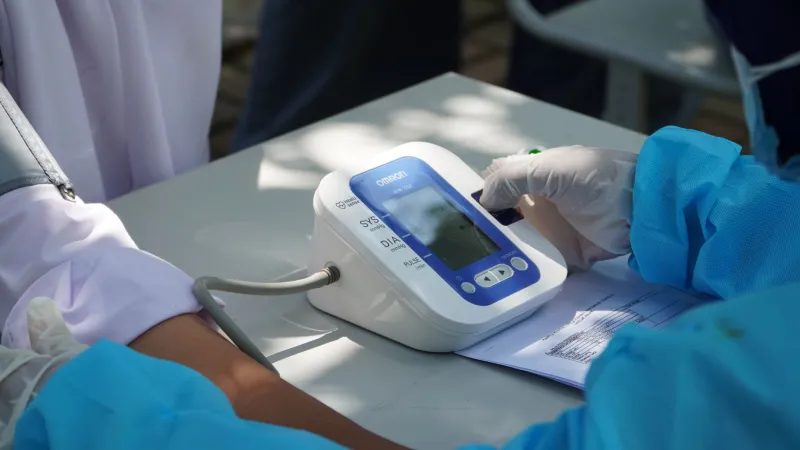
On a recent Thursday morning, the busiest table at a neighborhood branch in Tulsa wasn't covered in returned paperbacks. It was covered in arm cuffs, a spiral notebook, and a librarian named Denise reading instructions out loud like a recipe.
"Sit still for five minutes first. Feet flat. Arm at heart level," she said to a woman in her sixties who had come in to renew her card and left having borrowed something far more useful.
That scene is playing out in more and more libraries across the United States. Alongside bestsellers and museum passes, a growing number of branches now lend home health equipment — blood pressure monitors, pulse oximeters, yoga mats, light therapy lamps, even walking pads and sensory kits. Some call it a "Library of Things." Others just call it Tuesday.
What's Actually on the Shelf
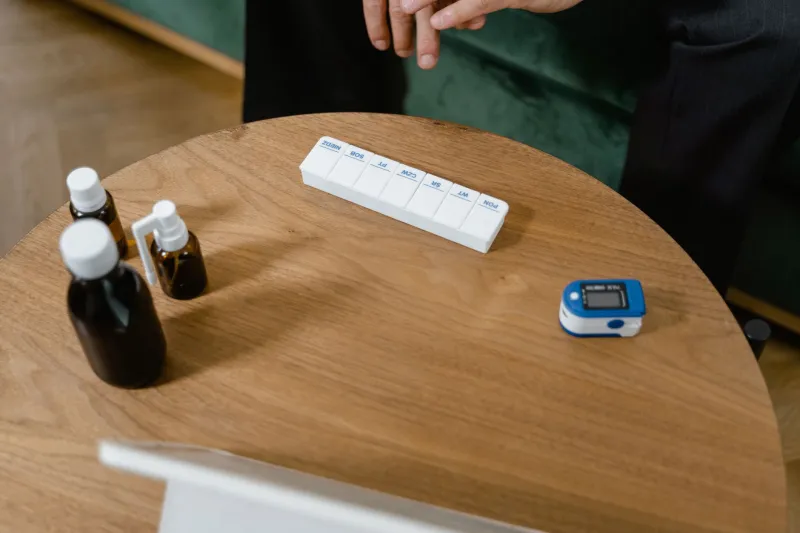
The inventory varies by system, but the pattern is consistent. Blood pressure cuffs top the list, usually in the automatic, upper-arm style rather than wrist models. Pulse oximeters come next, popular with people managing asthma or recovering from a respiratory bug. Then the softer stuff: yoga mats, resistance bands, foam rollers, hand weights, meditation cushions.
A few branches have gone further. Light therapy lamps for people who dread the short days of winter. Portable scales. Blood glucose meters in systems that partner with a local clinic. Kid-friendly sensory kits for families navigating autism diagnoses. One branch in Ohio keeps a small fleet of canes and shower chairs, donated after a hospital cleared its surplus.
"People assume it's mostly older patrons, and it isn't," said a branch manager in Queens who has run her location's equipment program for three years. "We see a lot of caregivers in their forties. Women who are keeping an eye on a parent, a husband, a kid — and who never get around to checking their own numbers."
Why Librarians Ended Up Doing This
The shift wasn't really planned. Many programs trace back to the early 2020s, when libraries were already handing out Wi-Fi hotspots and tax forms and realized that "public information" can come in the shape of an object. A monitor that lets someone track their readings for two weeks is just another reference tool — one you can't download.
The location helps too. A library doesn't require insurance, an appointment, or a reason. There's no waiting room smell. You walk in, ask a question, and nobody asks you to fill out a form about your deductible.
"We are not a clinic, and we're careful about saying that," the Queens manager added. "But we're open on Saturdays, we're free, and we don't turn anyone away. That combination is rarer than it should be."
The Quiet Part: Rooms, Classes, and Company
Equipment is only half the story. Branches hosting these collections tend to add the softer infrastructure around them — a quiet room with good chairs, a weekly chair yoga class, a walking group that loops the block at a conversational pace, a blood pressure clinic staffed by visiting nursing students once a month.
In Portland, a branch librarian described a Wednesday morning knitting circle that gradually turned into something else. "Half the people there are widows. They started asking each other about doctor visits. Now someone brings a monitor, and they take turns." She paused. "It's not a support group. It's a knitting circle. That's the whole point."
How to Borrow Without the Guesswork
If you want to try this, a few practical notes:
- Check the catalog, not the front desk. Search your library's site for "Library of Things" or "health equipment." Many systems list items separately from books.
- Expect a hold list. Blood pressure cuffs are popular and often booked out weeks ahead. Place the request anyway.
- Ask about training. Good branches walk you through the first use. If yours doesn't, ask — someone on staff usually knows, and several systems offer short video tutorials.
- Ask about cleaning. Most programs provide wipes or a sanitizing routine. Follow it, both for the next borrower and for yourself.
- Mind the calibration. Home monitors drift over time. Many libraries have theirs checked annually, but ask when the last check was.
- Keep a log. A two-week record of morning and evening readings is far more useful to a doctor than a single number taken in a hurry.
What It Can't Do
A borrowed cuff is not a diagnosis. If your readings run high, or you feel faint, or something just seems off, that's a call to a clinician — not a return trip to the library. Librarians are the first to say this, often before you ask.
The real value is quieter than that. It's catching a trend early. It's the reassurance of seeing a normal number on a Tuesday. It's the small dignity of checking something yourself, on your own time, with a card that already lives in your wallet.
Denise, back at the Tulsa table, put it more simply. "People come in for a book and leave knowing their blood pressure. That's a good day at work."